


- Posted 14-Jun-2021
EU budget 2022: Speeding up Europe's recovery and progressing towards a green, digital and resilient future
The Commission has proposed an annual EU budget of €167.8 billion for 2022, to be complemented by an estimated €143.5 billion in grants under NextGenerationEU. Their combined firepower will mobilise significant investments to boost the economic recovery, safeguard sustainability, and create jobs. It will prioritise green and digital spending in order to make Europe more resilient and fit for the future.


- Posted 14-Jun-2021
EU’s flagship programme Connecting Europe Facility 2.0 adopted by the Council
The Council adopted the EU’s Connecting Europe Facility 2.0 (CEF 2.0) programme, worth €33.71 billion, to fund the development of high-performing, sustainable infrastructure in the fields of transport, digital and energy. This second edition of the programme will run from 2021 to 2027. The vote by the Council will be followed by final adoption by the European Parliament.

- Posted 14-Jun-2021
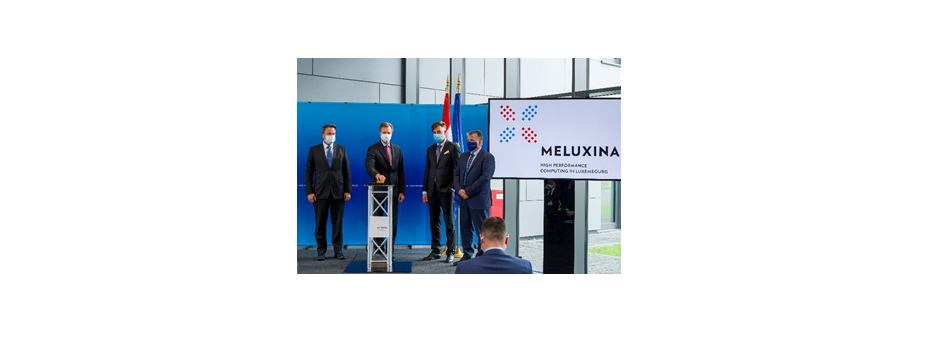
MeluXina is live: the EuroHPC JU supercomputer in Luxembourg is operational
MeluXina is capable of executing more than 10 Petaflops, the equivalent of 10 million billion calculations per second, which will rank it among the world’s top 50 supercomputers. The petascale computer will be powered by green energy from a cogeneration plant powered by waste wood. MeluXina is funded via a joint investment of about EUR 30 million from the European Union and Luxembourg.

- Posted 14-Jun-2021
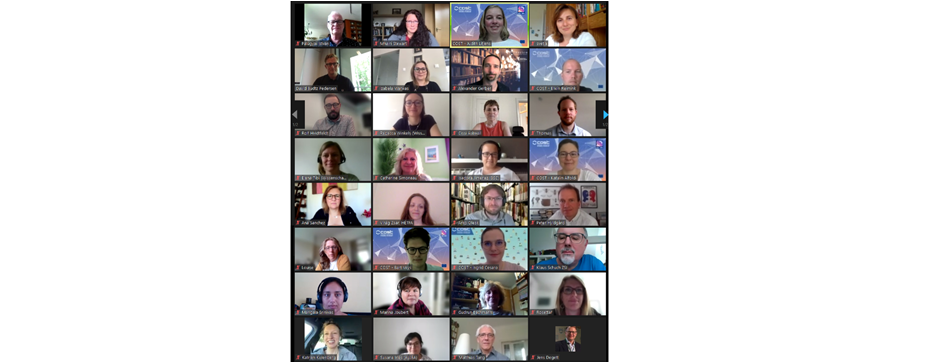
Cross-Cutting Activity: the stakes of effective codes of conduct for European Science Communication
On 10 June, COST organised the Cross-Cutting Activity (CCA) webinar on science communication to share experiences and discuss the importance of defining clear and effective codes of conduct and practices on science communication in Europe.


- Posted 14-Jun-2021
Sustainable fisheries: Commission takes stock of progress in the EU and launches consultation on fishing opportunities for 2022
On June 9, the Commission adopted the Communication “Towards more sustainable fishing in the EU: state of play and orientations for 2022”. In line with the European Green Deal objectives, EU fisheries are moving towards more sustainable, supporting the transition towards a healthy and environmentally friendly EU food system and underpinning sustainable sources of revenue for EU fishers, the communication shows.