
- Posted 14-Jun-2021
Cross-Cutting Activity: the stakes of effective codes of conduct for European Science Communication
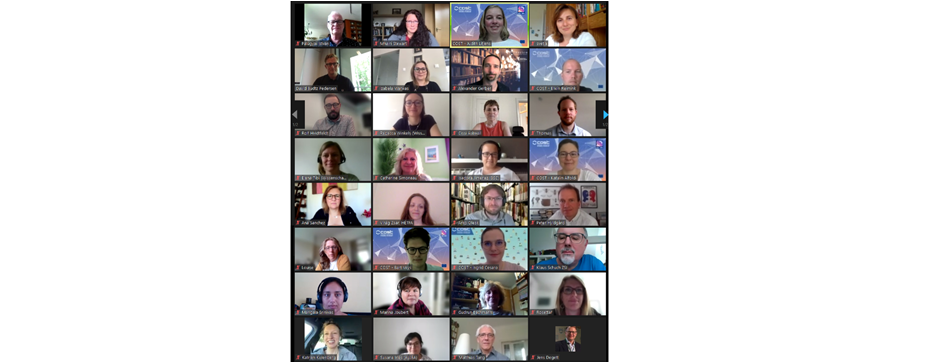
On 10 June, COST organised the Cross-Cutting Activity (CCA) webinar on science communication to share experiences and discuss the importance of defining clear and effective codes of conduct and practices on science communication in Europe.
The Cross-Cutting Activity (CCA) is a tool introduced by the COST Strategic Plan to better connect policy makers and R&I players on best practices. The CCA on science communication, specifically, was kicked-off in 2019 to achieve high-quality, evidence-based and cross-sectoral science communication across Europe. Building on this initiative, the online event of 10 June brought together 37 CCA members with the aim to continue the activities of the network, to share experiences, and plan next steps, in particular the organisation of the CCA final conference.
Towards a European code of practices and conduct
The webinar started with the presentation of different speakers who expressed their views on science communication, shared their personal experience in implementing clear guidelines and codes of practices, but also tried to set the basis for discussion by providing a relevant and universal definition of what a code of practices and conduct really is.
For instance, Mr Thomas Deane (Trinity College Dublin, Ireland) shared his experience as a Media Relations Officer, and explained that “there is no agreed code of practice at national level in Ireland, and also no real advice on what researchers need to do (…). As an organisation we had to develop our own code of practice to make sure that the results we provide are relevant and valuable”. Mr Deane also added that Trinity College set clear rules regarding science communication, such a full disclosures of animal models used, press releases only on validated peer-reviewed publications or training sessions with its scientific communities including tips, examples on how to write etc. “We try to give a lot of support to our scientists so that they know what is needed from the start”.
In accordance with the different points made, speakers also largely agreed that one of today’s main challenge, in a covid-19 world filled of false information, is to give relevant information to the citizens. “An important lesson that we have learned in recent years is not to shy away from emotions, especially when presenting a research to the general public. We should not be afraid of bringing emotional subject on the table. Scientists need to be prepared that their science can be contested (…)”, said Ms Catherine Simoneau (Joint Research Centre, European Commission).
The presentations were then followed by a beak-out rooms session where participants were asked to reflect on the following questions:
- What are key topics that the Cross-Cutting Activity final conference should address?
- What examples of high impact science communication could be highlighted during the final conference?
- What are the main barriers to achieving tangible impact?
- What can be done to better support researchers and innovators to develop the impact of science communication?
The webinar ended with a feedback session where rapporteurs gave a brief overview of the key points discussed by the participants of each of the 6 break-out rooms. “By developing high-quality learning in science communication, in being a full organism of its own where we all interact with one another, by sharing ideas, by publishing and by building new practices, the CCA really is a strategic lunch of COST and of the scientific community”, concluded Prof. David Budtz Pedersen, Chair of the CCA Network.
Read the full report summarising this webinar on CCA Science Communication here.
Soure: COST I News (https://bit.ly/3gwVwOD)