


- Posted 02-Mar-2020
EIT Strategic Innovation Agenda: political agreement in the Council
The Council of the European Union has reached an agreement on the future Strategic Innovation Agenda (SIA) of the European Institute of Innovation and Technology (EIT) for the period 2021-2027. In addition to this, EU ministers exchanged views on the EU strategy regarding international cooperation in research and innovation.


- Posted 24-Feb-2020
Study on international credit mobility for disadvantaged students
A study recently contacted by the European University Association (EUA) addresses the capacity of the Erasmus+ programme to tackle equity and inclusion, by facilitating the access to participants from disadvantaged backgrounds and with fewer opportunities.

- Posted 24-Feb-2020
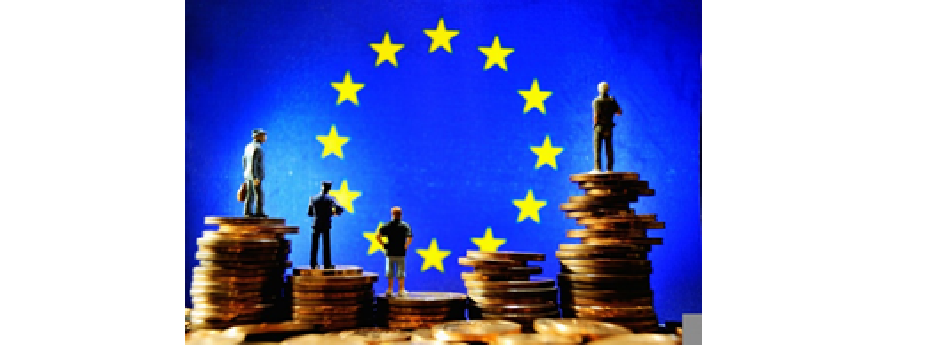
Special EU summit: EUA calls for ambitious funding for Horizon Europe and Erasmus+
The negotiations of the seven-year budget of the EU are down to the wire and will determine the future of key programmes like Horizon Europe and Erasmus+. The European University Association (EUA) President Michael Murphy addressed the presidents of the European Parliament, Commission and Council on the occasion, in a letter where he appeals for the necessary financial resources to be allocated to Horizon Europe and Erasmus+.


- Posted 24-Feb-2020
Shaping Europe's digital future: Commission presents strategies for data and Artificial Intelligence
On 19 February, the Commission unveiled its ideas and actions for a digital transformation that works for all, reflecting the best of Europe. The European data strategy and the policy options to ensure the human-centric development of Artificial Intelligence (AI) presented are the first steps towards achieving these goals.

- Posted 21-Feb-2020
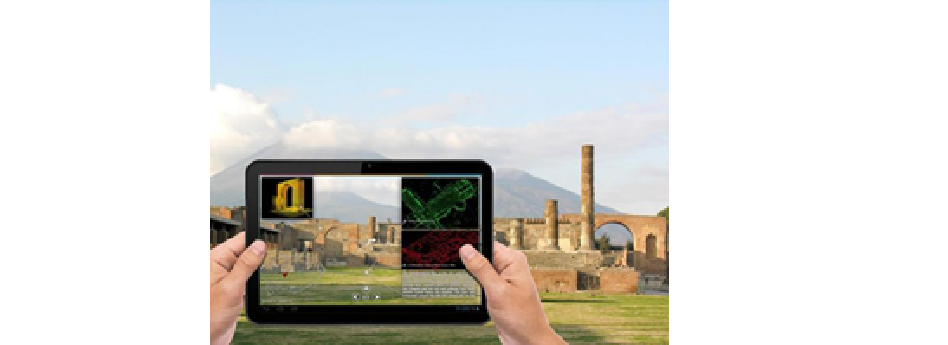
Pilot project in Italy to create new reference example for 3D digitisation of cultural heritage
Earlier this month, the Department for Architecture of the University of Ferrara and the Central Institute for Catalogues and Documentation (ICCD) of the Italian Ministry of Cultural Heritage and Activities signed an agreement to cooperate on 3D digitisation of cultural heritage using the results of EU-funded Horizon 2020 Project INCEPTION, which was coordinated by Professor Roberto di Giulio of the University of Ferrara and ended in May 2019. One new pilot project will involve 3D digitising a cultural heritage building in Italy using the protocols, tools and platform developed by Project INCEPTION.