

- Posted 25-Oct-2019
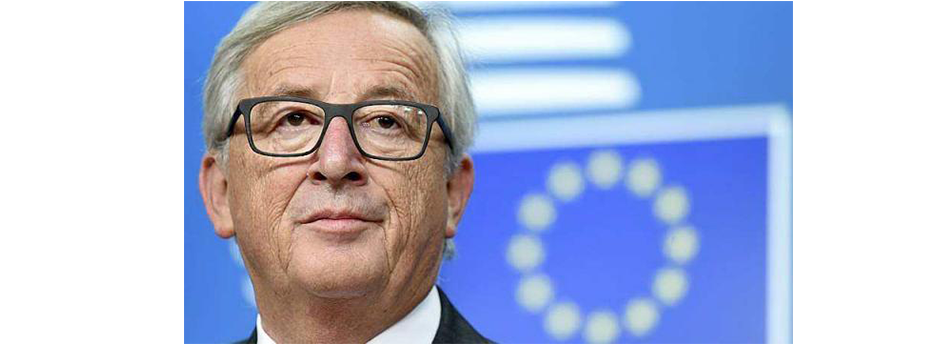
Juncker Plan has made major impact on EU jobs and growth
The Investment Plan for Europe, the Juncker Plan, has played a key role in boosting jobs and growth in the EU. Investments by the European Investment Bank (EIB) Group backed by the Juncker Plan's European Fund for Strategic Investments (EFSI) have increased EU gross domestic product (GDP) by 0.9% and added 1.1 million jobs compared to the baseline scenario. By 2022, the Juncker Plan will have increased EU GDP by 1.8% and added 1.7 million jobs. These are the latest calculations by the Joint Research Centre (JRC) and the Economics Department of the EIB Group, based on financing agreements approved until the end of June 2019.


- Posted 25-Oct-2019
EU makes 22 new commitments for clean, healthy and safe oceans and launches The Ocean Tracker
The European Union will announce 22 new commitments at the 2019 edition of Our Ocean conference, which will take place in Oslo, Norway on 23-24 October 2019, for better governance of the oceans. In addition, the EU is also launching ‘The Ocean Tracker', an interactive map to follow the over 10 billion euros commitments already made by governments, businesses and NGOs.


- Posted 25-Oct-2019
New EU projects on interactive and immersive technologies
The objective of the Horizon call on Interactive technologies (ICT-25-2018-2020) is to support European industries and a competitive and sustainable ecosystem of European technology providers in interactive technologies.


- Posted 25-Oct-2019
Europe’s future is quantum
Last week, quantum experts, industry representatives and policy-makers gathered in Helsinki for an event on “Exploring and Making Quantum Technology”. They agreed that the EU needs to pool expertise to build an ecosystem based on research, deployment and skills, in order to keep Europe as a leader in quantum technologies.

- Posted 25-Oct-2019
CEF2 Digital: EU and national workshops
In preparation for the launch of the new Connecting Europe Facility programme (#CEF2digital) in 2021, a series of workshops is currently taking place to offer stakeholders the opportunity to learn more and provide input into its development.