

- Posted 09-Nov-2020
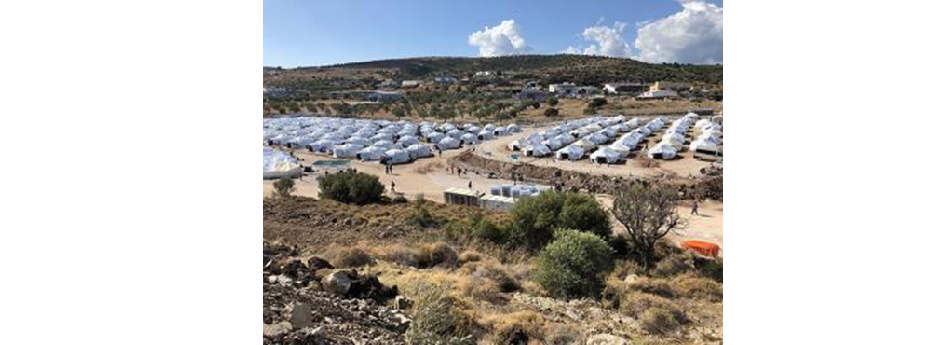
Migration: Worsening conditions for migrants and refugees across Europe
The Coronavirus pandemic continues to severely affect migrants and refugees. Difficulties to enter the EU, increasing reports of pushbacks and violence at the borders, and worsening conditions in reception centres are some of the main concerns the EU Agency for Fundamental Rights (FRA) identifies in its latest migration quarterly bulletin. At the same time, the European Commission’s new Migration and Asylum Pact kicks off new discussions about the future EU migration and asylum framework.

- Posted 09-Nov-2020
SDGs have never been so relevant for the EU say representatives of regions, cities and the European Commission
On 21 October, the European Committee of the Regions, EUROCITIES, CEMR, PLATFORMA and Regions4 organised a workshop on the role of the SDGs in the crisis recovery. While there is a real risk of a backsliding of the SDGs, in particular at national and EU level, all local and regional speakers confirmed that in their regions and cities, SDGs were more relevant than ever to manage our way out of the pandemic and recover from the crisis.

- Posted 09-Nov-2020
European Vocational Skills Week: ‘VET for Green and Digital Transitions'
The European Vocational Skills Week 2020 will take place digitally across the European Union from 9 to 13 November 2020. It is organised by the European Commission in partnership with the German Federal Ministry of Education and Research, as part of the German Presidency of the Council of the EU.

- Posted 09-Nov-2020
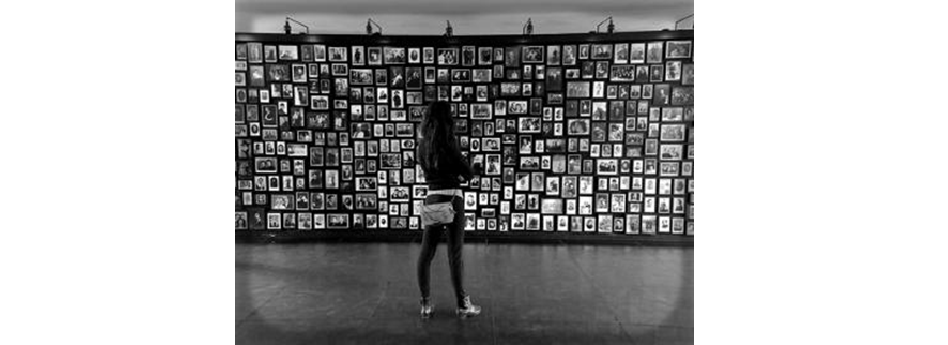
Removing the scars of antisemitism remains as relevant as ever
The wave of violent anti-Jewish pogroms on 9 November 1938 – the so-called ‘Kristallnacht’ – is a poignant reminder of why Europe needs to eliminate once and for all the persistent antisemitism that pervades society. Antisemitism makes many Jews question why remain in Europe.


- Posted 09-Nov-2020
ERC ANNOUNCES 34 NEW SYNERGY GRANTS
Thirty-four research groups will receive EUR 350 million in total to address some of the world’s most formidable research problems spanning multiple scientific disciplines. More than 440 proposals were submitted in this Synergy Grant call, making it one of the most competitive in ERC history. The funding helps groups of two to four outstanding researchers bring together complementary skills, knowledge and resources in one ambitious project.